From a 10-million-user app to a smart ring built for Christians.
Faith rarely comes up as a market category in consumer tech. It’s usually treated as too personal, too hard to fit into the usual product categories. But can a community numbering in the billions really be called niche?
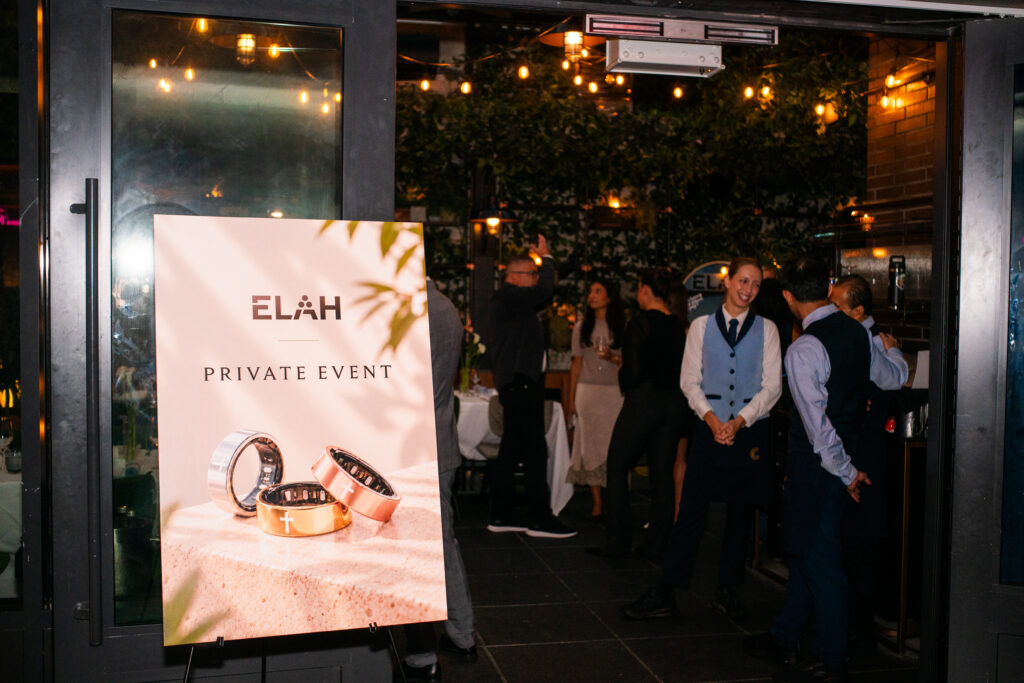
Elah Ring, built by Ricky and his team, grew out of that disconnect. Like other smart rings, it tracks heart rate and sleep. But Ricky describes Elah as a faith-centered wearable, made for an audience the tech industry has rarely designed for: Christians.
Elah is not the team’s first product for this audience. Before the ring, they spent years building Blessed, a Christian app. Along the way, they noticed that faith tends to show up in short, everyday routines, like a few minutes of Scripture after waking up or a quick prayer before bed.
Those routines eventually pushed the team beyond software and into hardware: an AI-native smart ring built around Christian life.
The Audience Big Tech Skipped
Blessed began with a bet on community. Facebook and Instagram were already mature, yet communities with a strong shared identity and established habits of gathering and sharing still had needs those platforms didn’t serve well. Christians were one of them.
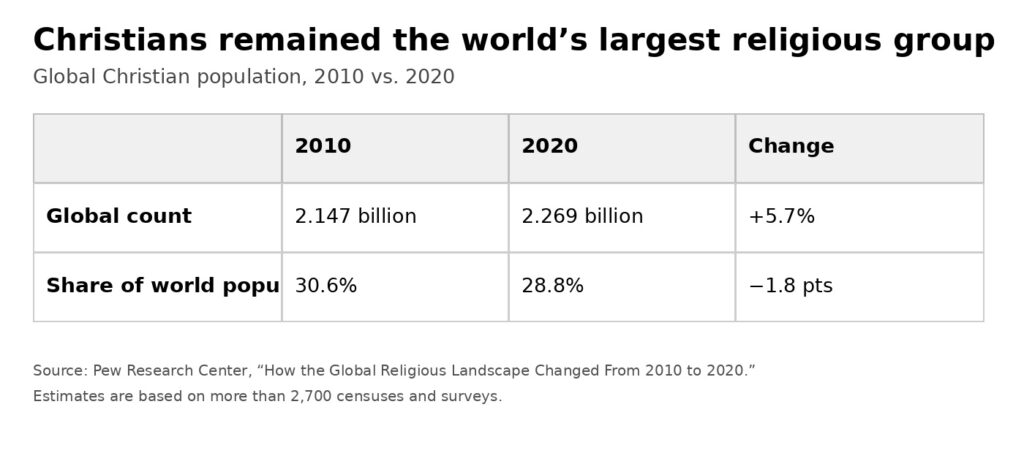
According to Pew Research Center, there were about 2.3 billion Christians worldwide in 2020, or 28.8% of the global population. In the United States, 62% of adults identify as Christian. Population size doesn’t translate directly into a product market. But 2.3 billion people is hardly a niche.
Yet most Christian digital products have been single-purpose tools for Bible reading and prayer. And faith content can feel out of place on mainstream social platforms, where audiences are broad and mixed.
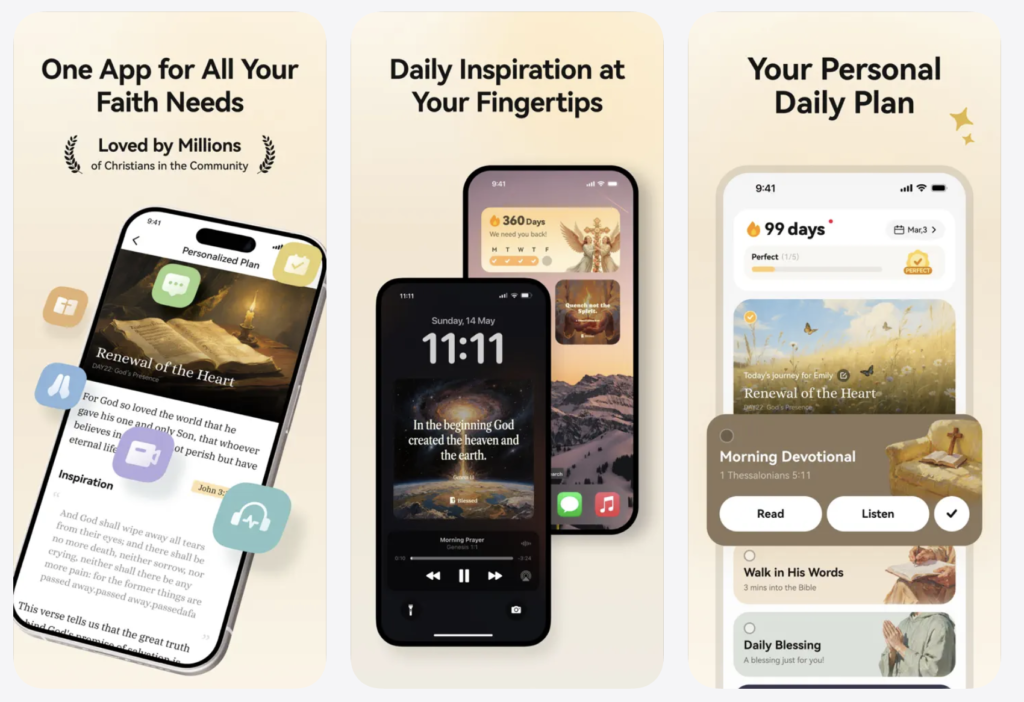
Blessed was built to fill the space in between. It started with Bible reading and prayer, then added comments, prayer requests, live streaming and other ways for users to interact, giving what had often been a private practice a stronger community layer.
Blessed says it has since passed 10 million users across more than 150 countries, with a 4.8 rating on the App Store. That traction convinced the team there was more to build for this audience.
It Started With the Kindness of Strangers
Ricky came to Christianity as an adult. While studying in the United States, he met Christians he barely knew who went out of their way to help him, setting up his apartment and giving him rides to school. At first, he wondered why strangers would do so much for him. Over time, he came to see that their generosity was rooted in their faith, and he began exploring Christianity for himself.
That experience later shaped how he thought about the people Blessed was built for.
“What a lot of people don’t realize is that, for some people, being Christian is the most important part of who they are. It’s the center of their lives,” Ricky said.
Years later, when he began building Blessed, many of the needs it addressed were familiar to him: making time to read Scripture and pray, or simply needing a reminder to refocus on his faith.
“The product is helping me, too, and people like me,” Ricky said.
But as Blessed grew, the team began to see the limits of an app.
When Faith Gets Lost in the Notification Feed
Blessed faced the same constraint as every app: attention is scarce, and a phone notification can easily disappear among work messages, social updates and everything else competing for a tap.
That led the team to ask whether they could reach users without fighting every other app for screen time — through something that wouldn’t require them to open another app.
That question eventually took the team from software into hardware. The result was Elah Ring.
A Nudge Before You Notice
“The name Elah comes from the Valley of Elah, where the shepherd David fought Goliath,” Ricky said. For him, the story carries a meaning beyond courage and victory: “God is already with you before you even realize it.”
The World’s First Faith-Centered Smart Ring for Christians (elahringofficial)
The same idea runs through the ring’s design. Ricky built Elah around AI from the start. Worn throughout the day, the ring continuously tracks heart rate, sleep and blood oxygen, giving the system more context about the user’s current state.
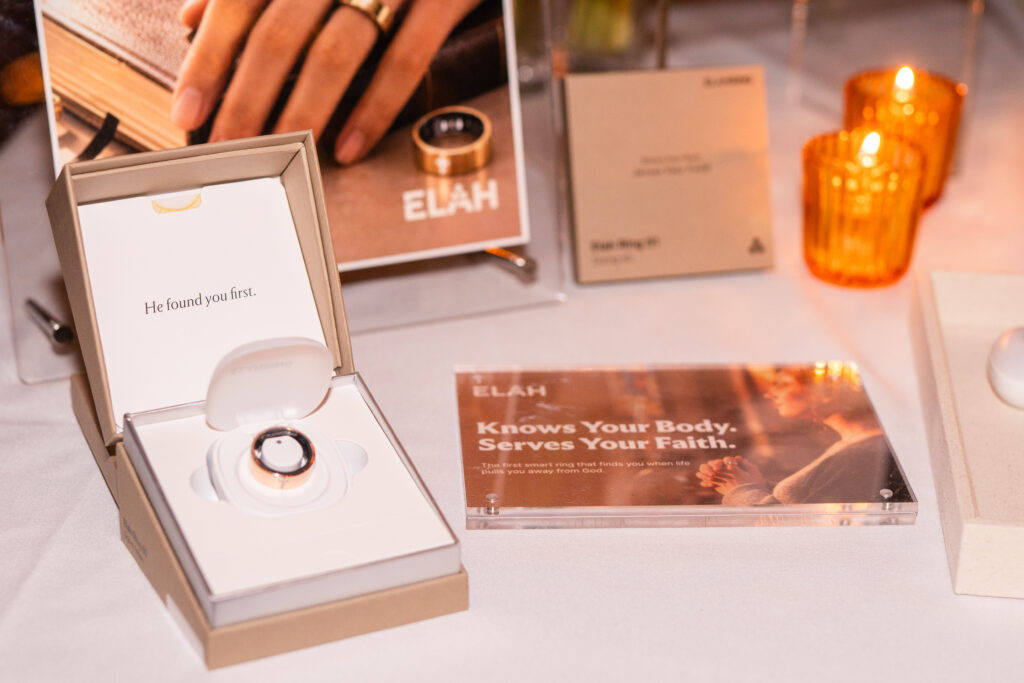
When stress-related signals rise, or heart rate crosses a user-set threshold, the ring vibrates or turns on its Cross Light, a small cross-shaped light. The cue is meant to be subtle, just enough to make someone pause and check in with themselves.
Stepping in before the user asks for help is central to Elah’s design. Most faith apps rely on the user to open them, look up a passage or begin a prayer. Elah is designed to initiate the interaction instead, based on signals the body is already producing.
For more support, users can open the Elah app and talk to FaithMate, its AI faith companion, which draws on the ring’s sleep, stress and heart rate data to tailor its responses. Another feature, Anchor, lets users schedule set times for morning or bedtime prayer. When the time comes, the ring vibrates or lights up.
Elah Ring: Seeing the Whole Person
An obvious question follows: why not just wear a health ring and pair it with a faith app? A health ring mainly provides physiological data, while a faith app typically only engages once the user opens it. Elah connects the two, using physiological signals to shape both the ring’s reminders and the context FaithMate has about the user.
Elah calls this approach “One Whole Person.” Physical health, the daily routines a person wants to protect, and their prayer life all belong to a single picture of who they are.
For Ricky, the ring is only the first device. The team may eventually expand into other wearables or home devices connected through the same account and AI system, drawing on shared user data.
If that works, Elah could become more than a smart ring for Christians: a wearable that tracks sleep and stress while also helping users stay connected to what matters to them beyond health.
Some needs look small simply because the tech industry hasn’t spent much time designing for the people who have them. Elah’s bet is that “niche” may say more about who is looking than about how big the opportunity really is.